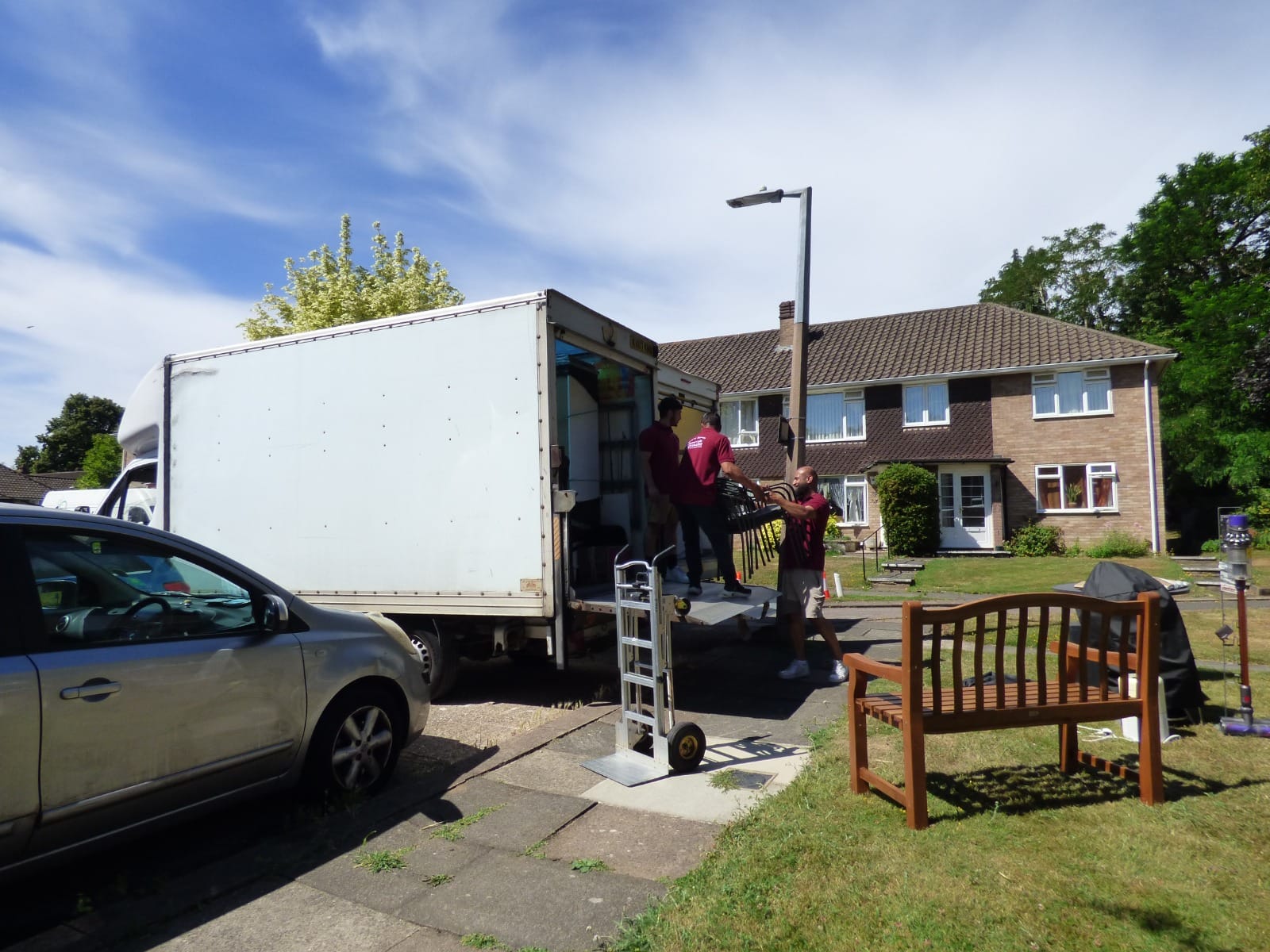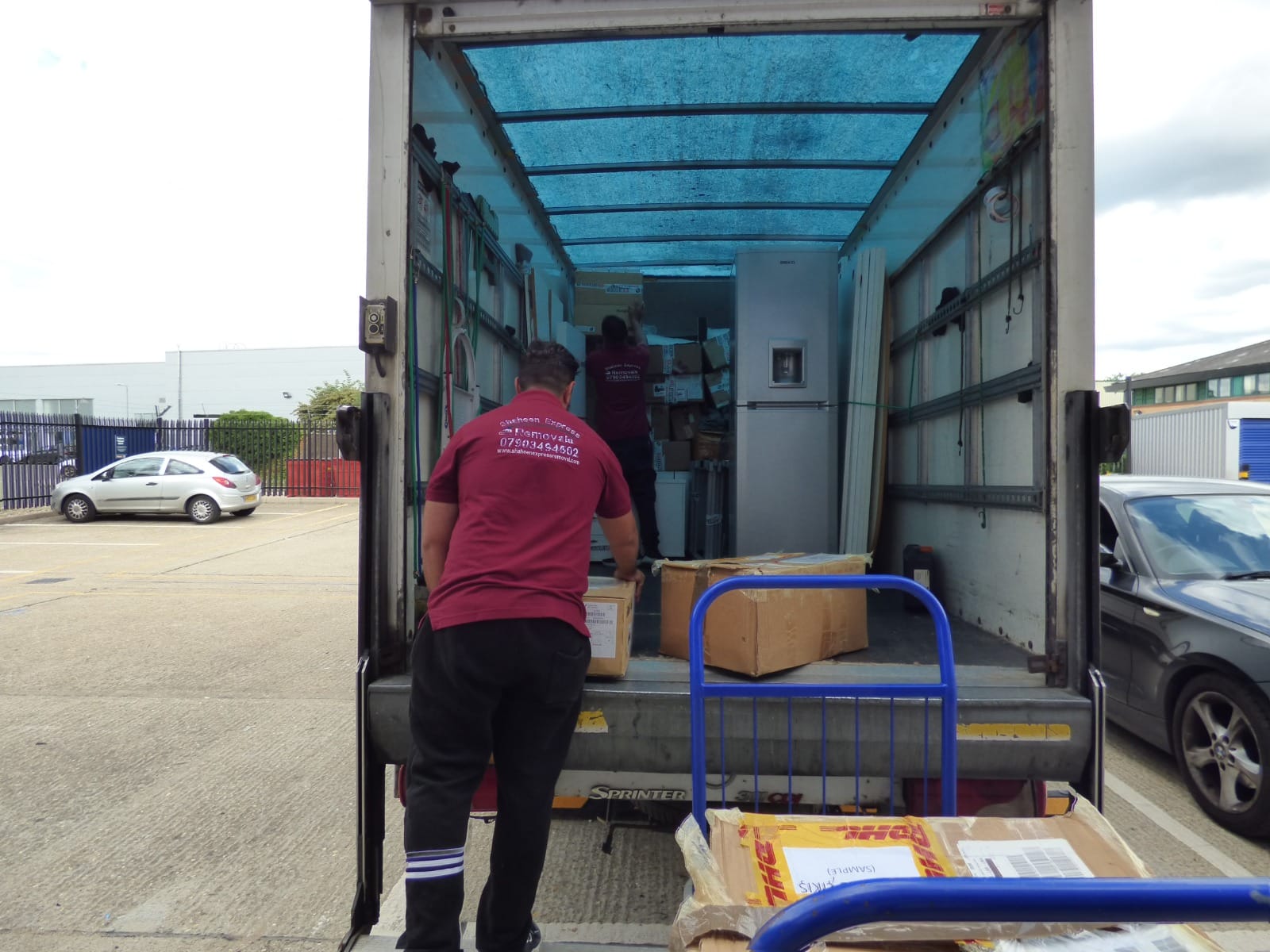
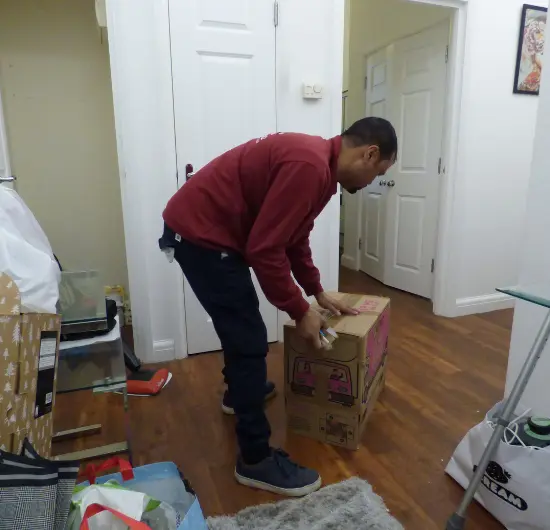
Running out of boxes halfway through packing is one of the most common DIY moving frustrations. Ordering more materials than you think you need, rather than less, generally avoids a last-minute scramble.
Core Packing Materials Checklist
- Small and medium cardboard boxes, for books, kitchenware, and heavier items
- Large boxes, for lighter bulky items such as bedding and cushions
- Wardrobe boxes, for hanging clothes to be transferred straight from the rail
- Bubble wrap, for glassware, ornaments, and other fragile items
- Packing paper, for wrapping crockery and smaller breakables
- Furniture blankets or covers, to protect larger items from scuffs during transport
- Strong parcel tape and a tape gun, to keep box assembly quick and boxes properly sealed
- Permanent marker, for labelling boxes by room and contents
- Box cutter or scissors, for unpacking at the other end
- Resealable bags, for keeping small parts, screws, and fixings together
How Many Boxes Do You Need?
Box quantities vary with how much you own, but this gives a general starting point by property size:
| Property Size | Small/Medium Boxes | Large Boxes |
| 1-bed flat | 15 to 25 | 10 to 15 |
| 2-bed house | 25 to 40 | 15 to 25 |
| 3-bed house | 40 to 60 | 25 to 35 |
| 4-bed house | 60 to 90 | 35 to 50 |
These figures are a general guide. Households with larger book or media collections, or who haven’t decluttered in a while, may need more.
Extra Materials Worth Considering
- Mattress covers, to protect mattresses from dust and damage during transport
- Stretch wrap, useful for keeping drawers closed on furniture being moved with contents still inside
- A basic toolkit, for dismantling and reassembling flat-pack furniture and beds
- A hand trolley or sack truck, if you’re moving heavier boxes or appliances yourself
Where to Get Packing Materials
Many removal companies sell or hire out packing materials as part of their service, which can work out more convenient than sourcing everything separately. Some also offer a buy-back or collection service for used boxes after your move, worth asking about if you’d rather not store empty boxes afterward.
Frequently Asked Questions
How many boxes do I need for a 3-bedroom house move?
As a general guide, around 40 to 60 small and medium boxes plus 25 to 35 large boxes, though this varies with how much you own and whether you’ve decluttered before packing.
Should I buy new boxes or use second-hand ones?
Second-hand boxes can work well for a DIY move, provided they’re still sturdy and not damaged. New boxes are generally more reliable for heavier items like books, where box strength matters more.
What packing materials are best for fragile items?
Bubble wrap and packing paper are standard for glassware and ornaments, with sturdy small to medium boxes rather than large ones, since smaller boxes are easier to pack tightly and reduce movement in transit.
Can I hire packing materials from a removal company?
Many removal companies offer packing materials as part of their service, either included or as an add-on, which can be more convenient than sourcing everything yourself.
Get Packing Materials and Support
Shaheen Express Removals provides packing materials and full or partial packing services across St Albans, Luton and Hertfordshire.