
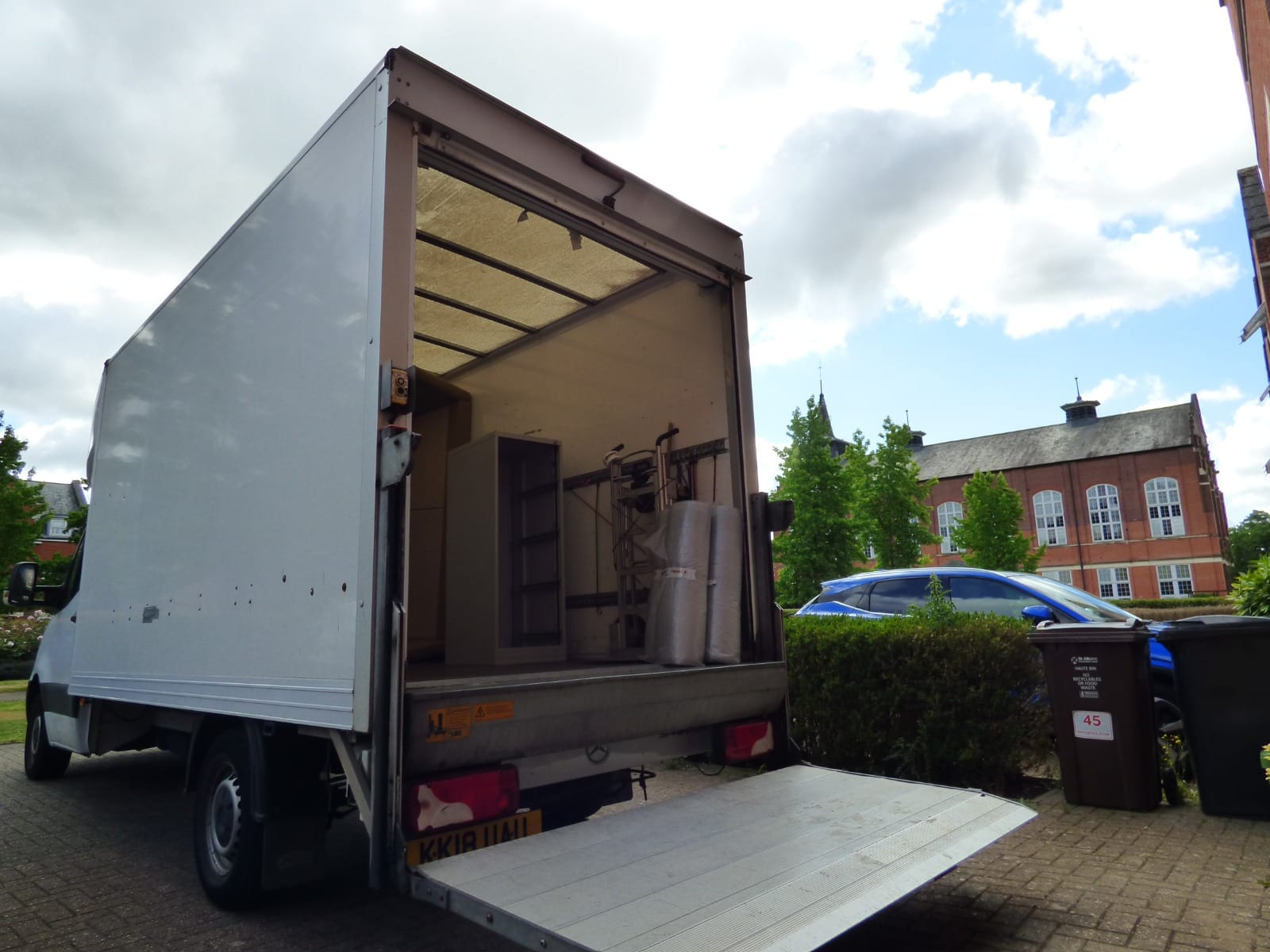
Large furniture is often too heavy or bulky to move in one piece. Safe disassembly lowers the risk of scratches, broken joints, and long delays on moving day. The right tools and a clear plan keep every component secure from start to finish. For complex items or full furniture support, book Shaheen Express Removals for reliable handling and safe transport.
Get Expert Furniture Handling Support
Why Proper Disassembly Matters
Disassembling furniture protects weak joints, reduces lifting strain, and helps pieces pass through narrow hallways. Many UK homes have tight staircases or older door frames that leave little clearance. A structured approach also prevents lost screws or mismatched parts during setup in the new home.
Most damage during moves comes from forced turns or dragging large pieces. Breaking down the furniture first removes that risk and creates space for a smoother loading process. This is especially important for items such as wardrobes, bed frames, modular sofas, and dining tables.
Request Professional Disassembly Help
Tools and Preparation for Disassembly
Start with a clean, well lit area. Lay soft blankets or cardboard sheets on the floor to avoid surface damage. Keep tools within reach to reduce unnecessary movements during the process.
Essential tools for disassembly
- Screwdrivers in multiple sizes
- Allen keys or multi size hex sets
- Adjustable wrench or pliers
- Soft blankets for padding
- Zip pouches and labels for hardware
- A phone for step photos
Before loosening anything, clear drawers and shelves. Removing weight prevents pressure on the frame, especially for wardrobes and chest units. Take photos of hardware placement and joint orientation. These images will guide reassembly and avoid mix ups.
A padded workspace also prevents accidental scuffs. If you expect a complex breakdown, consider laying out each component in sequence for easy tracking.
How to Disassemble Furniture Safely
Safe disassembly begins with loosened components that carry the least stress. Work slowly and keep each step organised to avoid stripped screws or warped joints.
1. Start with removable parts
Remove drawers, shelves, cushions, or detachable legs. These sections usually come off easily and reduce weight before tackling major joints. For wardrobes, take out internal organisers first to prevent sudden shifts once the main structure is loosened.
2. Loosen major connections
Use the correct tool for each joint to prevent damage. Do not force pieces apart. If a joint sticks, apply a gentle lubricant to release pressure. For wooden furniture, harsh prying can cause cracks, so slow movements protect the structure.
3. Disassemble large frames
Bed frames, dining tables, and sofas come apart through central joints. Take extra care with long panels that can flex under their own weight. Support them while unscrewing to avoid bending or splitting.
4. Wrap each section immediately
Once removed, wrap panels and legs in blankets or bubble wrap. This prevents scratches during loading. For items that have delicate finishes or carvings, double padding creates a safer layer.
During the breakdown, avoid sliding items across the floor. Sliding often causes scratches, something people commonly realise after dealing with heavy furniture during dismantling. Keep every movement controlled and lifted.
Reassembling Furniture After the Move
Reassembly needs careful attention and patience. The goal is to restore the furniture to its original strength without stressing joints or misaligning parts.
1. Prepare the workspace
Clear a central spot in the new home. Place blankets on the floor to protect both surfaces and furniture. Gather all labelled hardware pouches and lay them out in order.
2. Follow your photo steps
Use the photos taken during disassembly to rebuild each piece in reverse order. This prevents guesswork and saves time. Start with the main frame, then attach secondary parts such as legs, doors, or shelves.
3. Tighten joints gently
Over tightening can strip threads or warp the structure. Tighten screws gradually and evenly. Check alignment as you go. Furniture that relies on balanced tension, such as wardrobes, often shifts if screws are tightened unevenly.
4. Test stability
Once assembled, test for wobbling, loose joints, or uneven weight distribution. A level surface helps check alignment. Heavy items should be lifted into place carefully. This becomes especially important when dealing with moving day challenges, a step many underestimate.
When Disassembly Is Essential
Not all pieces require breakdown, but some situations make it necessary:
- Narrow doorways or staircases
- Large wardrobes or storage beds
- Oversized sofas that do not bend enough
- Antique items that need protective handling
- Items with glass or mirrored panels
Trying to manoeuvre such pieces without disassembly raises the risk of property damage. Many people learn this after facing tight stair turns during moves, a scenario where damage happens quickly.
Professional movers understand these limitations and plan disassembly to avoid last minute complications. For full support, book Shaheen Express Removals and let trained teams manage both disassembly and reassembly.
Book Full Furniture Moving Support
How the Primary Keyword Fits
Your required keyword disassemble reassemble furniture UK appears naturally within the content and will be used again in a heading to meet SEO requirements.
Key Steps to Disassemble Reassemble Furniture UK Efficiently
Completing a safe move requires planning, controlled handling, and organised setup. Each step above forms a complete workflow that keeps weight balanced, hardware in order, and panels protected. These principles apply across the UK, especially in older homes where access points are tight.
Knowing how to disassemble reassemble furniture UK style helps avoid delays, property damage, and guesswork during stressful moments. With a solid process and the right support team, your furniture reaches its destination safely and stands strong in its new space.
Get Support from Professional Furniture Movers
Conclusion
Safe disassembly shapes the success of any UK move. When every piece is removed, wrapped, labelled, and reassembled correctly, your furniture settles into the new space without damage. Shaheen Express Removals provides skilled teams, structured workflows, and careful handling that protect your belongings from start to finish.
Move Stress Free with Expert Furniture Support
FAQs
How do you disassemble furniture for moving?
Start with removable parts, loosen major joints, support long panels during removal, and wrap each section immediately. A well organised area prevents damage during handling.
Should furniture be disassembled before moving?
Yes for large items such as wardrobes, bed frames, and sofas. Disassembly reduces weight, prevents scratches, and makes tight access easier.
How do you reassemble furniture after moving?
Follow your disassembly photos, rebuild the main frame first, attach secondary parts slowly, and tighten screws evenly. Test stability before full use.
What tools do you need to dismantle furniture?
Screwdrivers, Allen keys, pliers, adjustable wrenches, soft blankets, labels, and zip pouches. These tools support safe dismantling without damaging wood or joints.
What are common issues when reassembling furniture?
Missing screws, misaligned joints, stripped threads, or uneven frames. Clear labelling and gentle tightening prevent these issues.