
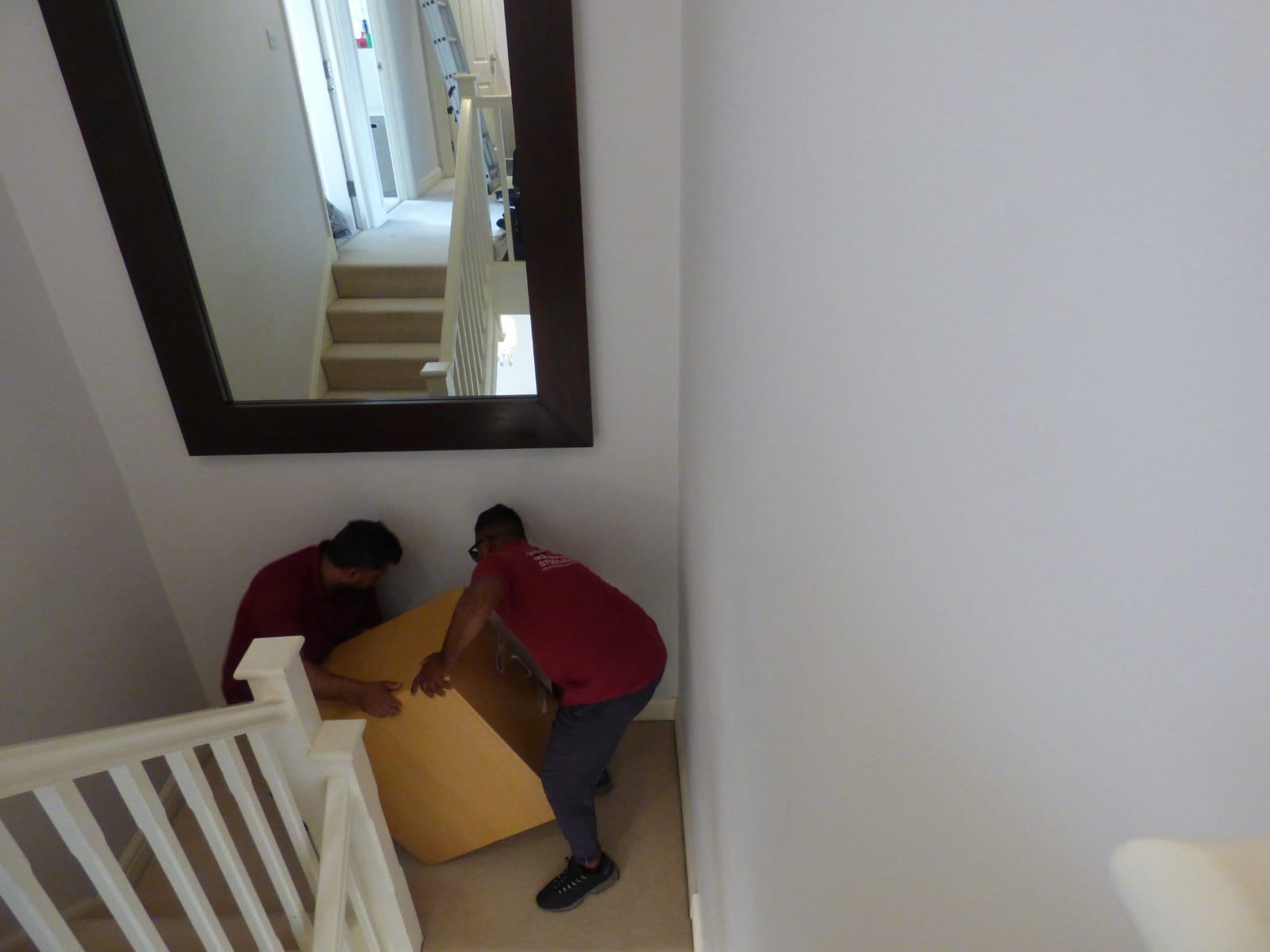
Knowing how to pack for storage is different from knowing how to pack for a move. On a normal moving day, your belongings are in boxes for a few hours. In storage, they may sit for weeks or months, stacked under other items, in a space nobody opens every day. Packing that survives a van journey can still fail in storage through damp, crushing or slow damage that only shows up when you unpack.
This guide covers what to use, how to prepare each type of item, and how to load a unit or container so everything comes out the way it went in. It is written for people moving house into storage, whether for a short gap between moving out and moving in or for a longer stay while renovating or relocating.
| Quick answer Make sure everything is clean and completely dry, use strong double-wall boxes filled to the top, dismantle large furniture, cover items with breathable covers rather than tight plastic for long periods, keep heavy items at the bottom and back, lift things off the floor, and leave room for air to circulate. Defrost and dry fridges and store them with the door slightly open. |
1. Why is packing for storage different from packing for a move?
Three things change when belongings go into storage rather than straight to a new home: time, weight and airflow. Each one creates risks that a normal move does not.
| Packing for a move | Packing for storage | |
| Time in boxes | A few hours to a day | Weeks to months |
| Stacking | Short stacks on a van, unloaded the same day | Tall stacks that stay under load the whole time |
| Main risks | Knocks, drops and scratches | Damp, mould, crushing, warping and dust |
| Plastic wrap | Useful protection in transit | Can trap moisture if left on for long periods |
| Access | Everything unpacked straight away | You may need one item from the back of the unit |
The rest of this guide is built around those differences: keeping things dry, keeping them from being crushed, and keeping them findable.
2. What packing materials do you need for storage?
The right materials matter more for storage than for a move, because weak boxes and the wrong covers fail slowly rather than immediately.
| Material | Use it for | Avoid |
| Double-wall cardboard boxes | Everything that goes in a box; stack better and resist crushing | Used supermarket boxes, which are often weak, uneven or damp |
| Boxes in two or three standard sizes | Stable, even stacks | Many odd sizes, which create gaps and leaning stacks |
| Breathable furniture covers or cotton dust sheets | Wood and upholstered furniture over longer periods | Tight plastic wrap left on for weeks |
| Mattress covers | Keeping dust and dirt off mattresses | Sealing in a damp mattress |
| Acid-free tissue or plain packing paper | Wrapping china, glass, silver and ornaments | Newspaper, which can leave ink on items |
| Bubble wrap and corner protectors | Mirrors, glass, pictures and furniture edges | Bubble wrap pressed directly onto delicate painted or lacquered surfaces |
| Wardrobe boxes | Hanging clothes | Bin bags for clothes |
| Moisture absorbers | Wardrobes, drawers and boxes of fabric | Relying on them to fix items that went in damp |
| Strong parcel tape and sealable bags | Sealing boxes; keeping screws and fixings together | Masking tape, which lifts over time |
3. How should you prepare each type of item?
Every item should go in clean and dry. After that, preparation depends on what it is.
| Item | How to prepare it | How to store it |
| Wooden furniture | Dust and clean; make sure it is dry; protect corners and legs | Under a breathable cover; nothing heavy directly on top |
| Sofas and upholstered chairs | Vacuum, including under cushions; remove loose cushions and bag them | Covered with a breathable sheet; flat where space allows |
| Beds, tables and wardrobes | Dismantle; bag and label every fixing and tape the bag to the main piece | Flat panels on their long edge, protected from each other with padding |
| Mattresses | Clean and air fully before covering | Flat where possible, in a mattress cover, with no heavy boxes on top |
| Mirrors, glass and pictures | Cross of tape on glass, then wrap and add corner protectors | Upright on their edge, never flat, never with anything leaning on the face |
| Fridges and freezers | Defrost at least 24 hours ahead; clean and dry inside | Upright with the door slightly open for airflow |
| Washing machines | Drain fully and dry the drum and drawer; refit the transit bolts if you have them | Upright; nothing heavy on top |
| Electronics and TVs | Original boxes if you still have them; remove batteries from remotes and devices | Upright, near the front of the unit, away from the floor |
| China and glassware | Wrap each piece individually in paper | In small boxes, plates on their edge, heavy items at the bottom |
| Books and paperwork | Pack into small boxes so they stay liftable | Low in the stack, off the floor |
| Clothes and linen | Wash and dry first; add moisture absorbers | Hanging in wardrobe boxes or folded in sealed boxes |
| Lawnmowers and garden tools | Drain all fuel and oil; clean off soil; dry fully | At the back, off the floor |
Large pieces are where most storage damage happens, so if you are unsure about dismantling anything, our furniture removals team takes apart and rebuilds furniture as part of the move.
4. How do you pack boxes so they survive being stacked?
A box in storage has to carry the weight of everything above it for the whole time it is there. These habits make stacks stable:
- Fill every box to the top. Half-empty boxes collapse under weight. Fill gaps with paper, towels or soft items.
- Keep boxes light enough to lift. Heavy items like books go in small boxes; light, bulky items like bedding go in large ones.
- Put heavy items at the bottom of each box. Lighter and more fragile things go on top.
- Tape the top and bottom fully. Run tape along the centre seam and across both edges on each side.
- Stack like with like. Same-size boxes on top of each other, heaviest at the bottom of the stack.
- Mark fragile boxes clearly. And make sure they always end up at the top of a stack, not the middle.
5. How should you label and list things going into storage?
For storage, labelling needs to answer one question: where is the thing I need, without unpacking the whole unit? For general moving labels, see our guide on labelling and organising furniture for a move. For storage, add these steps:
- Number every box. Write the number on the top and two sides, so it stays visible however the box is stacked.
- Keep a matching inventory. A simple list on your phone of each box number and what is inside it.
- Photograph valuable items before packing. This helps with any insurance claim and proves the condition they went in.
- Mark one or two boxes as ‘first out’. These are the items you are most likely to need before the gap ends.
6. How should a storage unit or container be loaded?
How things are placed matters as much as how they are packed. Whether you load a self storage unit yourself or a crew loads a container, the same principles apply:
- Heavy furniture at the back and bottom. Wardrobes, chests of drawers and appliances go in first.
- Keep things off the floor. In a self storage unit, pallets or boards underneath help protect against any damp on the ground.
- Leave a small gap from the walls. This allows air to move around your belongings.
- Never put heavy boxes on mattresses or sofas. They leave permanent dents and can damage frames.
- Leave an aisle if you need access. And put the ‘first out’ boxes at the front.
- Use furniture drawers carefully. They can hold light, soft items like linen, but not heavy items that strain the runners.
7. What should you not put into storage?
Storage providers each have their own list of prohibited items, so always check yours. Almost all of them exclude:
- Food and anything perishable, which attracts pests and smells.
- Plants, which die without light and water and can bring in insects.
- Flammable or hazardous items: paint, fuel, gas bottles, fireworks and chemicals.
- Anything wet or damp, including items that have not dried after cleaning.
Keep passports, property paperwork, cash, jewellery and sentimental items with you, not in storage.
8. How long can belongings stay in storage safely?
Well-packed furniture and boxes can stay in storage for months without damage. The length of time matters less than the condition things went in. Items that were dry, clean, properly covered and not crushed tend to come out as they went in. Items that went in damp, loosely boxed or tightly wrapped in plastic are the ones that come out marked, warped or smelling musty.
If you are storing for longer than a couple of months, arrange to check on your belongings occasionally where the provider allows it, and swap out moisture absorbers. If you are new to storage altogether, our guide on how storage works during a house move explains the process from start to finish.
9. How Shaheen Express Removals helps with packing for storage
Packing for storage takes longer than packing for a move, and the mistakes don’t show until you unpack. If you would rather hand it over, we can take care of it.
- Full or partial packing. Our packing and unpacking service covers the whole house or just the fragile and awkward items.
- Boxes and materials delivered. We can deliver boxes, protective wrapping and packing supplies to your door if you would rather pack yourself.
- Dismantling and reassembly. Beds, wardrobes and tables taken apart before storage and rebuilt at your new home.
- Storage with the same team. Personal and business storage, including shipping containers and crates, loaded by the crew that moves you.
- Trusted locally. Rated 5.0 from 444 Google reviews, over 20 years in removals, fully insured and DBS-checked staff.
| Moving house into storage? Call 07903 494502 or request a free quote online. Tell us what you are storing and for how long, and whether you want us to pack, and we will quote the packing, removal and storage together. |
Frequently asked questions
Should I wrap furniture in plastic for storage?
Only for short periods, and only if the furniture is completely dry. Over weeks or months, plastic wrapped tightly around wood or upholstery can trap moisture and lead to mould or marks. For longer storage, use breathable covers such as cotton dust sheets or purpose-made furniture covers, and keep plastic for protecting items during transport.
Can I put a fridge freezer into storage?
Yes, as long as it is prepared properly. Defrost it at least 24 hours before the move, clean and dry it thoroughly, and store it with the door slightly open so air can circulate. A fridge stored closed and damp is one of the most common causes of mould and bad smells in storage.
Should mattresses be stored flat or upright?
Flat is better for anything longer than a few days, because storing a mattress on its side for long periods can cause the filling to shift and sag. Clean it, make sure it is dry, put it in a mattress cover and avoid stacking heavy boxes on top of it.
How do I stop damp getting into my things in storage?
Make sure everything is completely dry before it goes in, keep items off the floor on pallets or boards where possible, use breathable covers rather than sealed plastic for long periods, leave small gaps for air to circulate, and add moisture absorbers in wardrobes, drawers and boxes of fabric.
Do I need to take furniture apart before it goes into storage?
For large items, yes. Dismantling beds, dining tables and wardrobes saves space, reduces the risk of legs and joints snapping under pressure, and makes loading safer. Keep all screws and fixings in a labelled bag taped to the main piece.
What can’t I put into storage?
Most providers prohibit food and other perishables, plants, flammable items such as paint, fuel and gas bottles, chemicals, and anything illegal. Keep cash, passports and irreplaceable valuables with you. Always check your storage provider’s own list before you pack.