
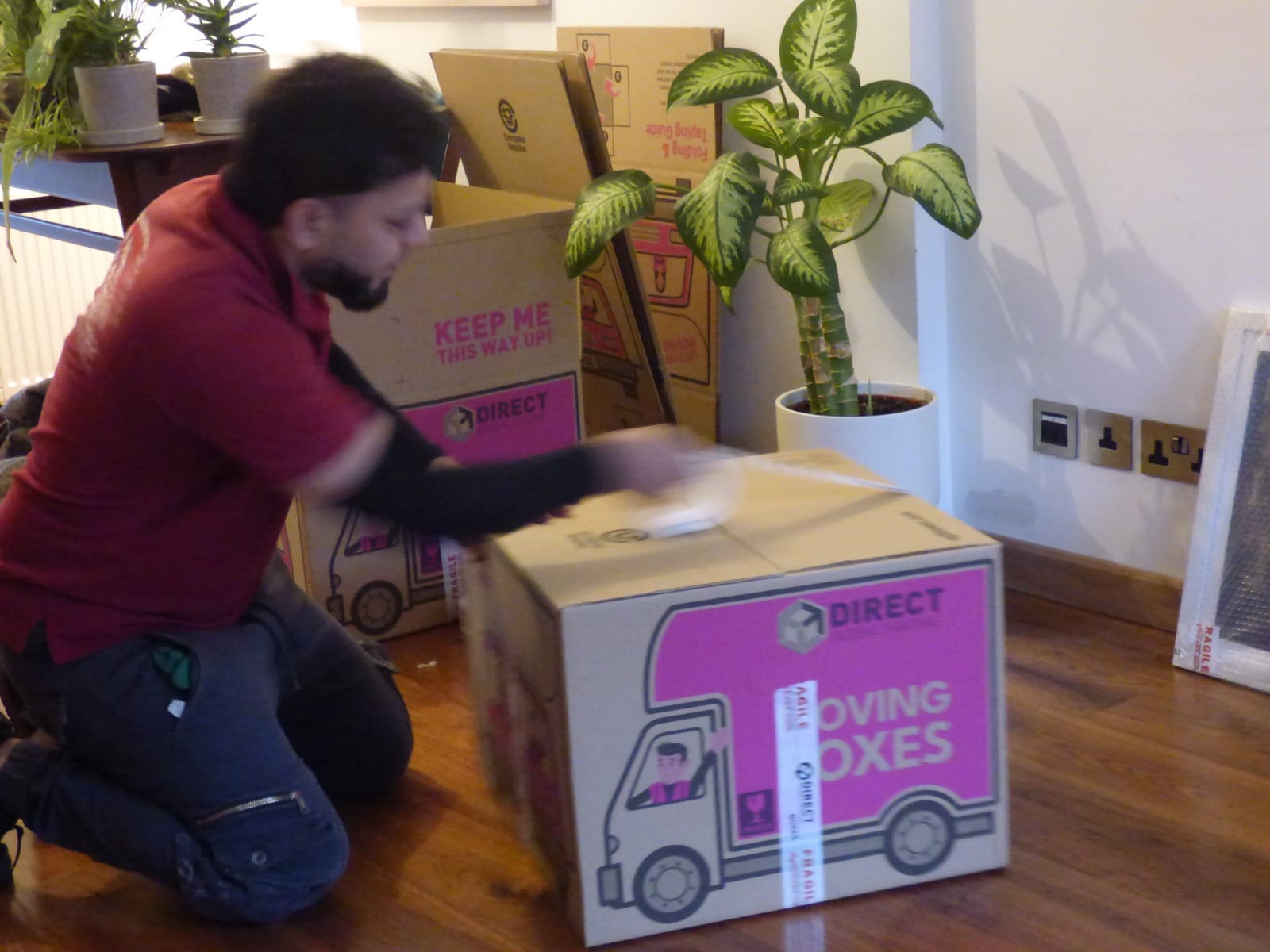
Label organise furniture move UK planning starts long before moving day. Most delays and damage happen because items arrive in the wrong rooms, parts go missing, or movers lack clear instructions. A simple but consistent labelling system keeps furniture protected, speeds up unloading, and removes guesswork at the new property.
For moves that stay organised from start to finish, Shaheen Express Removals supports structured furniture handling with clear placement and care.
Plan an Organised Furniture Move
Why furniture labelling matters more than boxes
Furniture is heavier, harder to reroute, and more expensive to fix than boxes. When furniture arrives in the wrong room, it often needs to be lifted twice. That increases the risk of scratches, joint strain, and floor damage.
Clear labels allow movers to place each item correctly on the first attempt. This reduces handling time and keeps traffic moving smoothly through doorways, staircases, and hallways.
To make placement seamless, align labelling plans with Furniture Removals so large items follow a clear loading and unloading order.
Get Furniture Removals Support
Create a simple furniture labelling system that works
Label organise furniture move UK systems do not need to be complex. They need to be visible, durable, and consistent across every item.
Each label should include three details. The furniture name, the destination room, and handling notes if required. Write in bold capital letters so labels stay readable at a distance.
Where to place labels on furniture
Labels work best when attached to protective wrapping, not directly on furniture surfaces.
Place labels on at least three sides so they remain visible even when items are stacked or turned. Painter’s tape or removable stickers prevent residue and protect finishes.
Use colour coding to speed up unloading
Colour coding removes hesitation on moving day. Assign one colour per room and apply that colour to every furniture label going into that space.
For example, blue for bedrooms, green for living room, yellow for kitchen. Add matching colour tags on doors at the new property so movers can identify destinations instantly.
This approach is especially helpful when avoiding furniture moving mistakes like blocking hallways or placing heavy items in the wrong rooms.
Organise furniture parts and hardware properly
Lost screws and mismatched parts slow reassembly and cause frustration. Every disassembled item needs its own hardware system.
Bag, label, and attach hardware
Place screws, bolts, and fittings into resealable bags. Label each bag clearly with the furniture name. Secure the bag to the wrapped item or place all hardware into a single clearly marked box.
Following safe disassembly steps ensures parts stay together and reassembly happens without delays.
Build a master furniture inventory list
A written inventory keeps the move controlled and accountable. It also helps confirm that all items arrive safely.
Number each furniture piece and match the number to its label. Record the origin room, destination room, and any condition notes. Photos taken before the move help verify condition after delivery.
This system works well for homes, offices, and storage moves where multiple items look similar once wrapped.
Group and stage furniture before moving day
Furniture organisation should start before the van arrives. Group items by destination room and disassembly status.
Keep fully assembled items together. Stack wrapped panels and legs neatly. Stage priority items closer to exits so loading follows a logical order.
Good staging reduces rushed lifting and supports heavy furniture handling without last-minute rearranging.
Guide placement at the new property
Organisation does not stop at loading. Clear placement instructions speed up unloading and reduce traffic inside the new space.
Place colour labels on room doors. Keep one copy of the inventory list accessible. Direct movers as needed, but allow labels to do most of the work.
Efficient placement protects floors, walls, and furniture edges from unnecessary movement.
Common labelling mistakes to avoid
Poor labels cause more problems than no labels at all. Avoid these common errors.
- Writing small or unclear text that movers cannot read
- Labelling only one side of wrapped furniture
- Taping labels directly onto finished surfaces
- Forgetting to label disassembled parts
- Mixing room names between old and new layouts
Clear labelling reduces delays and avoids increased furniture removal cost UK caused by extended moving time.
Conclusion
An organised furniture move relies on visibility, consistency, and preparation. Clear labels reduce lifting, prevent damage, and help movers work efficiently from the first item to the last.
For a furniture move that stays structured and stress free, book Shaheen Express Removals and keep every item exactly where it belongs.
FAQs
How do you label furniture for moving?
Attach large, clear labels to protective wrapping on at least three sides. Include furniture name, destination room, and handling notes.
Should furniture labels go on the top or side?
Side placement works best. Furniture is often stacked or turned, so side labels remain visible during loading and unloading.
How do you organise furniture hardware during a move?
Bag hardware per item, label the bag clearly, and attach it to the wrapped furniture or store all bags in one marked container.
Is colour coding useful when moving furniture?
Yes. Colour coding speeds up unloading and helps movers place items correctly without constant instructions.
What is the best way to organise furniture for unpacking?
Use an inventory list, number each item, and match labels to room colours at the new property.