
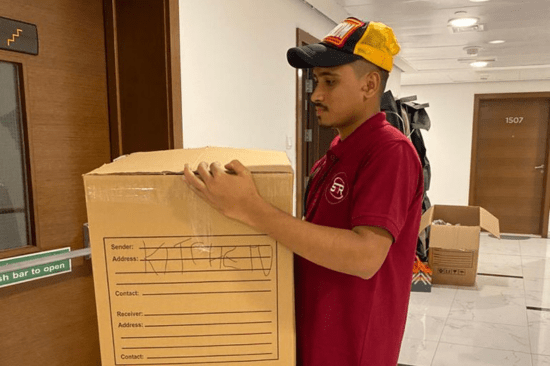
Antique pieces deserve care that protects value and history. The right plan, materials, and handling keep finishes safe and joints tight from door to door. For premium packing and safe transit, book the specialists at Shaheen Express Removals.
Get Professional Packing Support →
Assess First, Then Plan Like a Conservator
Begin with a room-by-room inventory. Note timber type, veneer, loose joints, ornate carvings, glass panels, and any prior repairs. Photograph current condition for reference. Decide what to disassemble without stressing the structure. Legs, marble tops, finials, and glass shelves often travel safer when removed and wrapped separately.
Create a packing sequence. High value and fragile pieces load last and unload first. Prepare clear destination labels for each item and component. This prevents guesswork in the new space and lowers handling time. Planning is also useful when learning how to protect surfaces, especially when dealing with delicate pieces that need careful control during lifting.
Materials That Protect Without Harming Finishes
Use breathable, conservation-friendly layers. Avoid tape directly on wood or leather. Build protection in three steps that prevent abrasion, impact, and moisture.
Core Packing Kit
Acid-free tissue for first contact with wood, veneer, leather, and gilded detail
Soft furniture blankets or quilted pads for cushioning
High density bubble with paper facing for corners and edges
Corner guards for frames, mirrors, and table tops
Tyvek or soft wrap for a breathable outer skin
Rigid sheets or honeycomb board to shield glass and carvings
Order a Materials-Included Pack →
Technique Matters: The Wrap That Antiques Need
Start with the gentlest layer against the surface. Wrap carvings and feet with tissue before blankets to prevent snagging. Add bubble on vulnerable edges only, then finish with a breathable wrap. For drawers and doors, insert felt spacers and cotton ties rather than adhesive. Secure blankets with soft straps, not tape on the finish.
Lift and place, do not slide on bare floors. Use sliders under protective sheets if movement is required indoors. Every move is small, controlled, and planned, which aligns closely with maintaining control during tight hallway turns.
Planning for Packing Antique Furniture UK When Disassembly Helps
Disassembly reduces leverage forces and impact risk. Photograph hardware locations before removal. Place screws, escutcheons, and casters in labelled pouches. Tape the pouch to a protected underside, not to finished faces. For tall cabinets, remove crown pieces and glass panels. For drop front desks, secure the fall and key it closed after padding.
Glass, Mirrors, and Marble
Glass shelves travel wrapped in tissue, foam edges, and rigid boards. Pack upright with arrows indicating orientation. Mirrors need X-taped glass under a rigid face board and a frame saver on the corners. Marble and stone tops want edge protection, rigid boards, and vertical loading to resist cracks.
Crating and Climate Control for Packing Antique Furniture UK
Crates remove compression and puncture risks. Use foam cradles that support weight at strong points, not on carvings or veneers. Add desiccant packs for longer routes. If humidity swings are likely, request climate-controlled transport. Stable temperature and moisture protect glue joints, shellac, and French-polished finishes.
Loading, Transport, and Placement
Load heaviest crated items at floor level, then lighter pieces above. Strap with soft tie-downs. Create no-contact zones around gilded frames and carvings. At delivery, place items on clean pads. Allow acclimatisation before unwrapping in colder months to prevent condensation on finishes. Follow your photos to reassemble with zero guesswork.
This stage overlaps with professional placement techniques, making it similar to methods shown in another blog.
Insurance, Valuation, and Documentation
Secure valuation-based cover for declared items. Keep your inventory, photos, and any appraisals in one file. On arrival, check each piece against the report. Flag concerns early for swift resolution. For especially rare pieces, schedule a conservator to inspect joints and surfaces before regular use.
Common Mistakes to Avoid
Do not trap moisture with plastic wrap against wood for long periods.
Do not stack heavy boxes on veneered tops.
Do not use loose fill that shifts inside crates.
Do not rush doorways or stair turns. Small pauses protect centuries of craftsmanship.
When to Call Professionals
Complex access, multi-storey moves, and high-value collections benefit from trained crews, climate options, and custom crating. Conservator-grade packing reduces risk and time. Shaheen Express Removals provides specialist materials, careful handling, and coordinated schedules that keep antiques safe and projects on time.
Speak to an Antique Move Coordinator →
Quick Checklist for Safe Antique Packing
Inventory, photos, valuation, and labels ready
Breathable first layer, padded corners, rigid faces for glass
Disassembly planned and bagged hardware labelled
Climate plan set for long routes or storage
Controlled loading, soft straps, and protected placement
FAQs
How do you pack antique furniture for moving?
Use a breathable first layer such as acid-free tissue, then padded blankets and rigid protection on faces and corners. Label parts, disassemble where safe, and secure items upright in transit.
What materials are best for wrapping antique furniture?
Acid-free tissue, quilted blankets, paper-faced bubble, corner guards, Tyvek, soft wrap, and rigid boards.
Is it worth hiring a professional antique mover?
Yes for complex or high-value pieces. Professionals reduce risk through expert packing, crating, and climate stability.
How do you disassemble antique furniture safely?
Photograph before removal, protect joints, label hardware, and secure fragile parts with padding.
How should I insure antique furniture during a move?
Choose valuation-based cover supported with photos and condition notes. Confirm coverage for transit and storage.