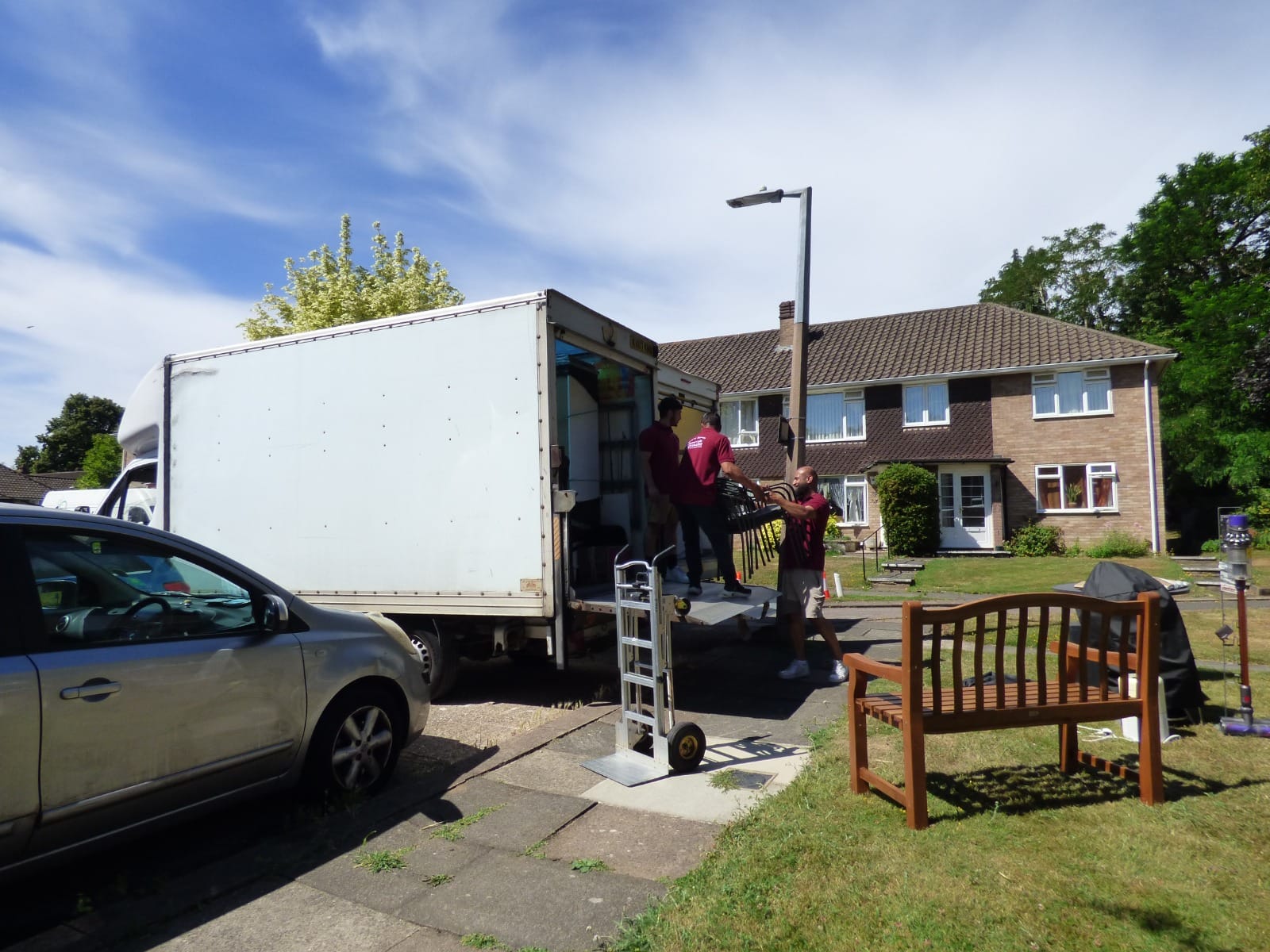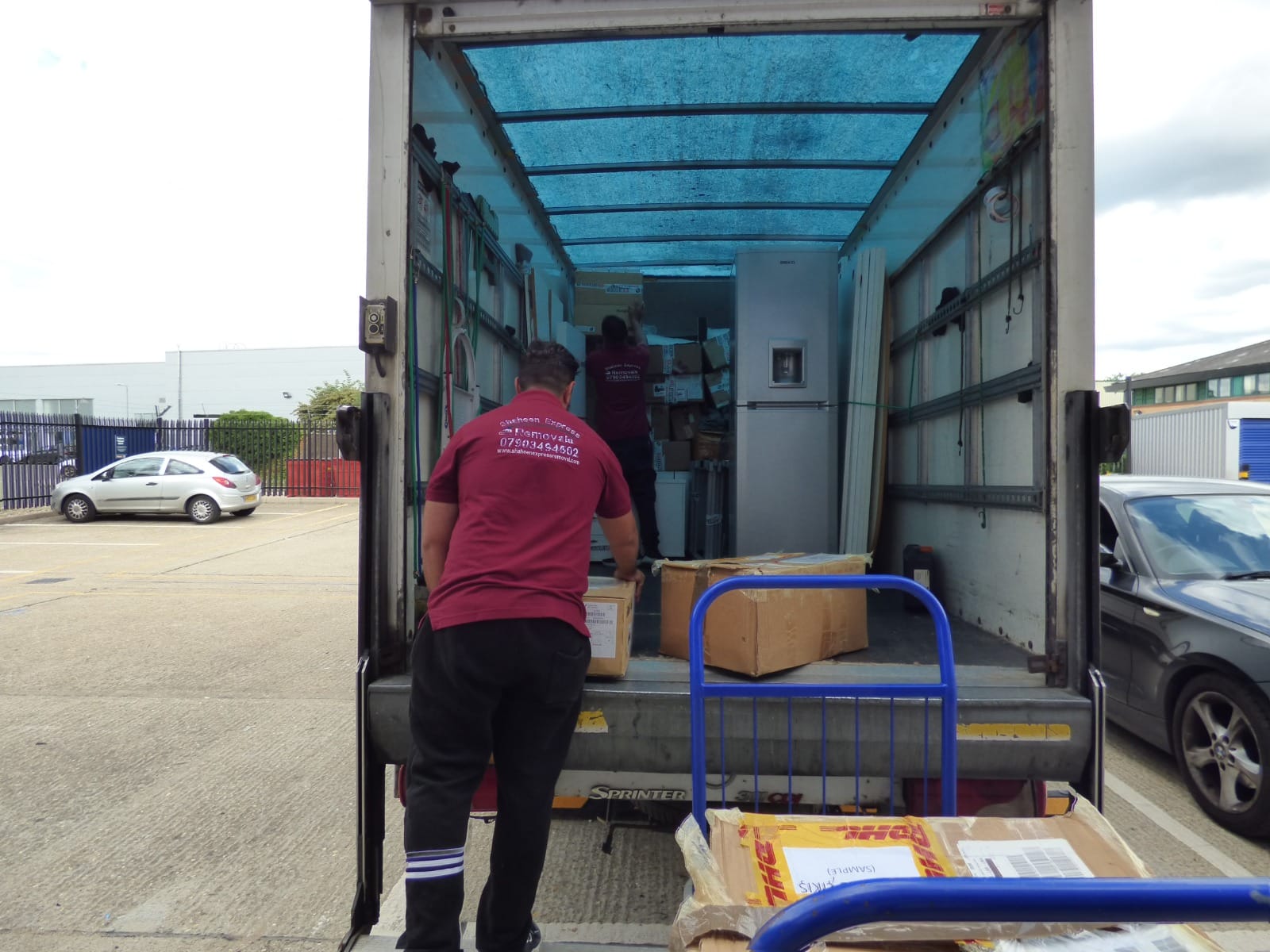
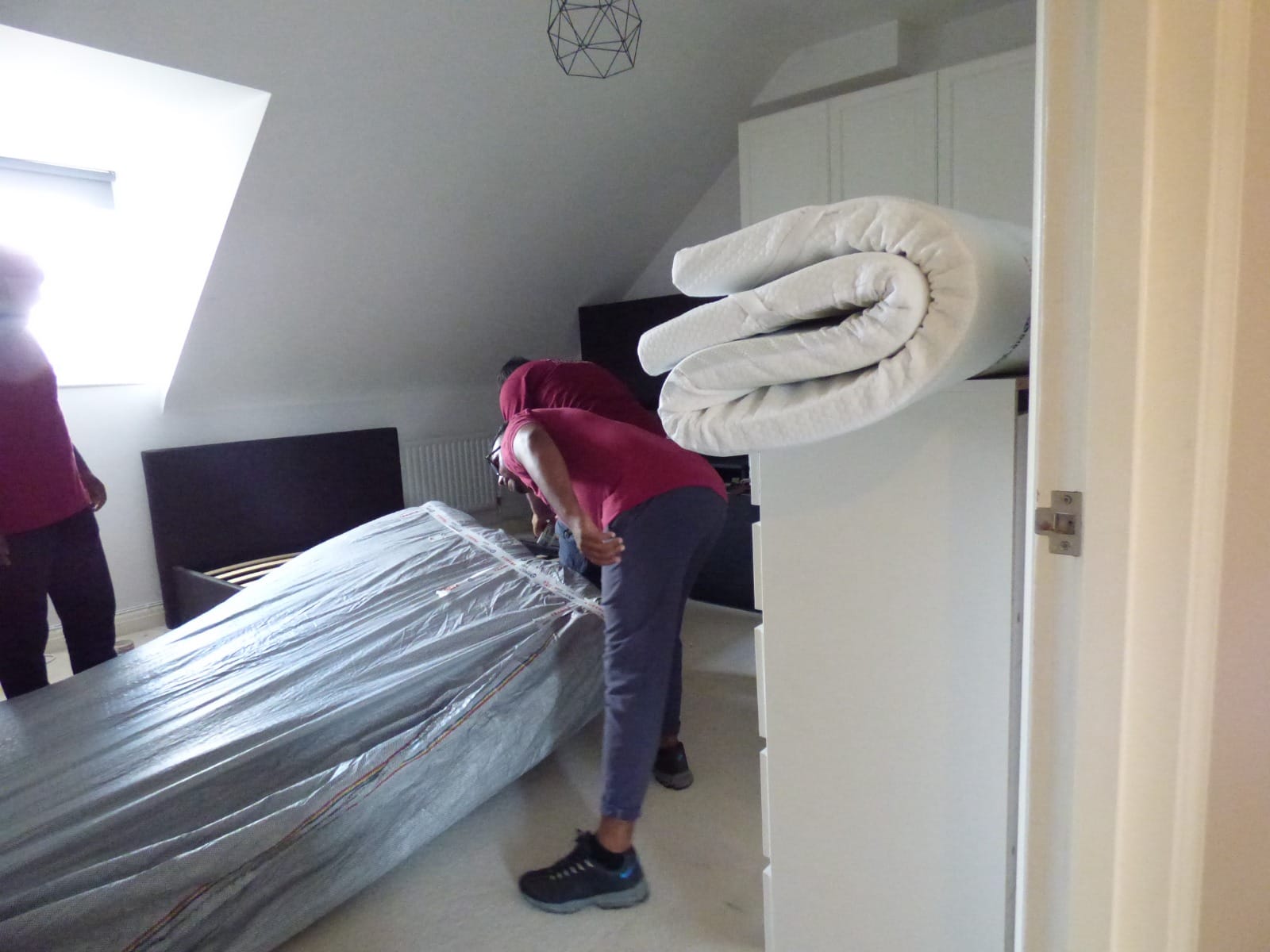
Eco friendly furniture removal UK planning starts before packing begins. The biggest waste usually comes from single use materials, last minute dump runs, and oversized loads. A simple plan keeps usable furniture out of landfill and reduces fuel use on moving day. For help with a cleaner move, Shaheen Express Removals can coordinate a smooth furniture relocation with practical waste-saving options.
Why eco-friendly furniture removals matter in the UK
Furniture moves create waste in two main ways. First, protective materials like plastic wrap, tape, and foam often get binned after one use. Second, unwanted items get thrown away because there is no time to sell or donate them.
A greener approach focuses on fewer materials, lighter loads, and smarter handling. It also protects your home because organised packing reduces scuffs, breakage, and repeat trips.
Start with a “keep, donate, recycle” sorting plan
Sorting early is the easiest way to reduce waste. It also reduces van size needs and the number of journeys. That can lower overall furniture removal cost too, especially when volume drops.
Use three simple decisions for each item. Keep what will be used in the next home. Donate items that are clean and functional. Recycle or dispose responsibly only when an item is broken beyond repair.
To support careful removal and proper handling, plan your move around Furniture Removals so large pieces are managed safely and efficiently.
Get a Furniture Removals Quote
Sustainable packing that still protects your furniture
Eco friendly furniture removal UK packing should protect surfaces without creating a bin bag of plastic. The goal is reusable protection with strong cushioning, then minimal tape and wrap.
Use what is already in the house
Blankets, towels, duvet covers, and curtains can replace a lot of bubble wrap. They protect wood finishes and reduce scratch marks. They also pack easily because they belong in the new home anyway.
Choose reusable or recyclable moving supplies
Reusable crates or rented plastic bins reduce cardboard waste. If cardboard boxes are used, choose sturdy recycled boxes and reuse them for storage after the move. For fragile items, paper padding and recycled kraft paper work well without leaving plastic behind.
Here is a low-waste packing checklist that keeps protection strong.
- Soft wrap layer: Use blankets or thick towels for tables, frames, and cabinets.
- Corner protection: Add cardboard corner guards made from old delivery boxes.
- Moisture barrier only when needed: Use plastic sheeting for rainy conditions, then reuse it later.
- Drawer packing: Pack soft items inside drawers to reduce extra boxes and filler.
- Labelling system: Use removable labels and a marker instead of tape directly on finishes.
If moving during wet weather, plan protection around rainy-day protection so reusable covers and quick loading reduce water exposure.
Reduce trips and fuel with smarter loading
Transport emissions rise when loads are poorly planned. Multiple journeys, half-filled vans, and last minute detours add fuel use quickly.
A practical approach is to create a loading order that keeps the van stable and packed efficiently. Heavy items go first. Soft goods fill gaps. Fragile items stay protected and do not shift.
Disassembly also helps reduce space waste. It allows tighter loading and lowers the risk of damage. For larger items, follow safe disassembly steps so hardware stays organised and reassembly is simple.
What to do with old furniture when moving
Old furniture does not need to become rubbish. The best option depends on condition and timing.
Donate when the piece is usable
Charity shops, local reuse groups, and community organisations can take sofas, tables, and wardrobes in good condition. Always check if fire labels are required for upholstered items, and confirm collection rules.
Sell when time allows
Selling reduces waste and offsets moving costs. Listing early is key because pickup dates need coordination. If selling is not possible, donation is usually faster.
Recycle responsibly when items are broken
Some items can be recycled through local council bulky waste services or specialist recycling centres. Break down what is safe to break down, then separate materials like wood, metal, and cardboard where possible.
For bulky or awkward pieces, avoid risky lifting. Use heavy furniture handling techniques to prevent injuries and floor damage.
Arrange Responsible Removal Help
How to choose greener movers in the UK
Eco friendly furniture removal UK services vary, so it helps to ask direct questions before booking. Look for movers that plan routes efficiently and avoid unnecessary trips. A clear packing approach also matters because poor packing leads to damaged items and replacements, which creates more waste.
Ask about reusable packing options, careful loading, and donation friendly scheduling. If storage is needed, ask about how items are wrapped and whether materials can be reused.
Shaheen Express Removals can support furniture moves with careful handling and practical packing choices that reduce waste without lowering protection.
Conclusion
A greener move comes down to three actions. Reduce what travels, reuse what protects, and redirect what no longer fits your space. These choices cut waste, lower stress, and keep furniture in better condition on arrival.
For a move that protects your home and helps reduce landfill waste, book Shaheen Express Removals and plan a cleaner, calmer relocation from the first box to final placement.
Less clutter, fewer throwaways, and safer handling. Shaheen Express Removals keeps furniture moves organised, efficient, and easier on the environment.
FAQs
How can I make my move more environmentally friendly?
Reduce the load first through donation and resale. Use reusable packing like blankets and rented crates. Plan a single efficient trip with organised loading.
What are sustainable packing materials for moving?
Reusable plastic crates, recycled cardboard boxes, kraft paper, and household linens work well. Use plastic sheeting only when weather requires it, then reuse it.
How to reduce waste during a house move?
Sort items early, avoid single use packing, and recycle materials after unpacking. Packing drawers with soft goods reduces extra boxes and filler.
Are there eco-friendly moving companies near me?
Yes, many movers offer greener options like reusable packing and efficient routing. Ask about their packing approach and how they minimise repeat trips.
What to do with old furniture when moving?
Donate usable items, sell if time allows, and recycle broken items through local services. Plan disposal early to avoid last minute landfill runs.